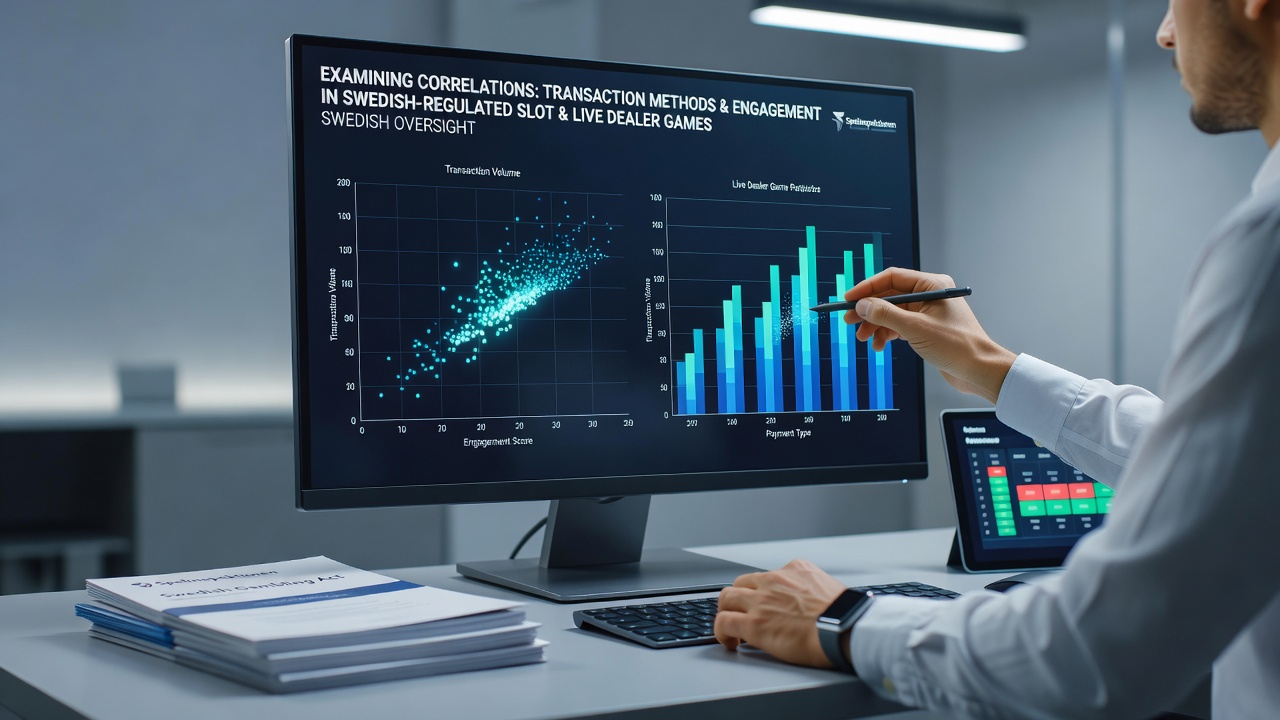
Examining Correlations Between Preferred Transaction Methods and Engagement Levels in Slot and Live Dealer Offerings Under Swedish Oversight
Swedish gambling operators licensed by Spelinspektionen must adhere to strict rules on payment processing and player tracking, and these requirements create datasets that researchers examine for links between transaction preferences and engagement metrics. Data from licensed platforms indicate that choices such as instant bank transfers, mobile wallets, and card payments align with different patterns of session length and deposit frequency across slot machines and live dealer tables. Analysts review aggregated figures to identify whether faster methods correlate with higher repeat play in one category versus another while slower options show steadier but lower-volume activity.
Regulatory Context Shaping Transaction Tracking
Spelinspektionen enforces licensing conditions that require operators to log payment details alongside gameplay statistics, and this framework supports studies of engagement under controlled conditions. Reports compiled through 2026 document how verification processes for each method influence the timing of deposits and withdrawals, which in turn affects how players move between slot titles and live dealer rooms. Observers note that these records allow comparisons across thousands of accounts without identifying individuals, and the resulting patterns emerge clearly when data sets separate slot-focused activity from live dealer sessions.
Popular Transaction Methods and Their Usage Patterns
Players under Swedish licenses frequently select Trustly for direct bank connections, Swish for mobile instant transfers, and traditional card options for flexibility, while e-wallets appear less often in official tallies. Figures reveal that Trustly and Swish dominate deposit volumes in both slots and live dealer offerings, yet card payments maintain a consistent share especially during evening hours. Researchers track these preferences against engagement indicators such as average time per session and number of rounds played, and the distributions differ noticeably between game types.
Correlations Observed in Slot Offerings
Slot engagement data show that accounts using mobile wallet deposits record higher numbers of short sessions spread across multiple days, whereas bank transfer users tend toward longer single sessions with fewer interruptions. According to statistics published by Spelinspektionen, slot players who rely on instant methods complete more spins per active day on average than those opting for card processing that requires additional steps. The differences appear most pronounced in high-volatility titles where quick reloads support continued play, and analysts compare these trends against overall deposit counts to confirm the associations hold across age groups and license periods.
Patterns Emerging in Live Dealer Environments
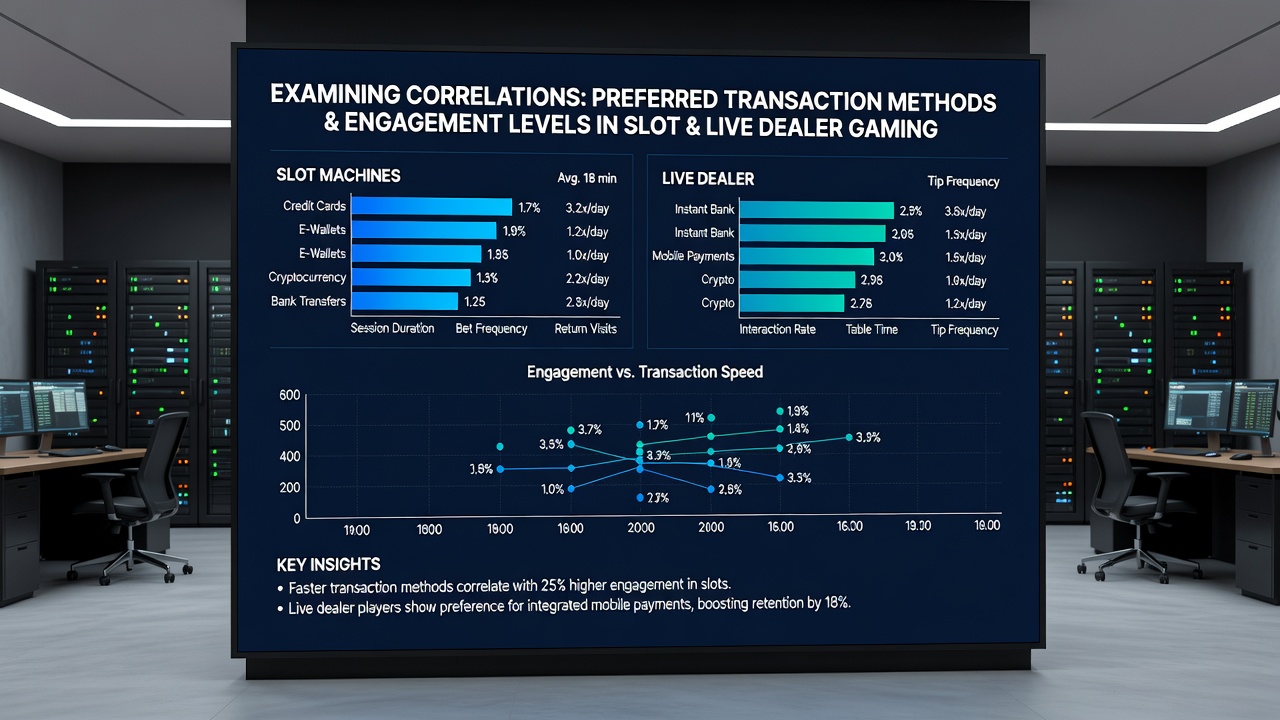
Live dealer tables present different engagement profiles because sessions often last longer and involve real-time interaction, and transaction method data indicate that bank-linked options align with steadier participation rates over extended periods. Players who select card payments show slightly elevated frequencies of mid-session top-ups in blackjack and roulette rooms, while mobile wallet users exhibit more fragmented activity with shorter table stays. Studies of licensed platforms find these correlations persist even after controlling for game popularity and time of day, suggesting the payment interface itself influences how long individuals remain at specific tables.
Comparative Insights Across Game Categories
When researchers place slot and live dealer figures side by side, instant transfer methods link to elevated overall engagement in slots but more moderate patterns at live tables, whereas card users demonstrate balanced activity across both offerings. October 2026 updates to industry datasets highlighted continued growth in mobile options alongside stable card volumes, allowing fresh comparisons that reinforce earlier observations about session distribution. Those examining the combined records note that withdrawal speed preferences sometimes mirror deposit choices, and this consistency further ties payment behavior to sustained involvement levels.
Conclusion
Swedish oversight generates detailed records that connect transaction preferences directly to measurable engagement differences between slots and live dealer games, and ongoing analysis of these records supplies operators and regulators with objective benchmarks. The documented patterns remain subject to further verification as new license periods produce additional data points, yet the existing correlations already inform how platforms structure payment flows within regulatory limits.