Player Verification Timelines Shape Game Choices in Sweden's Licensed Casinos
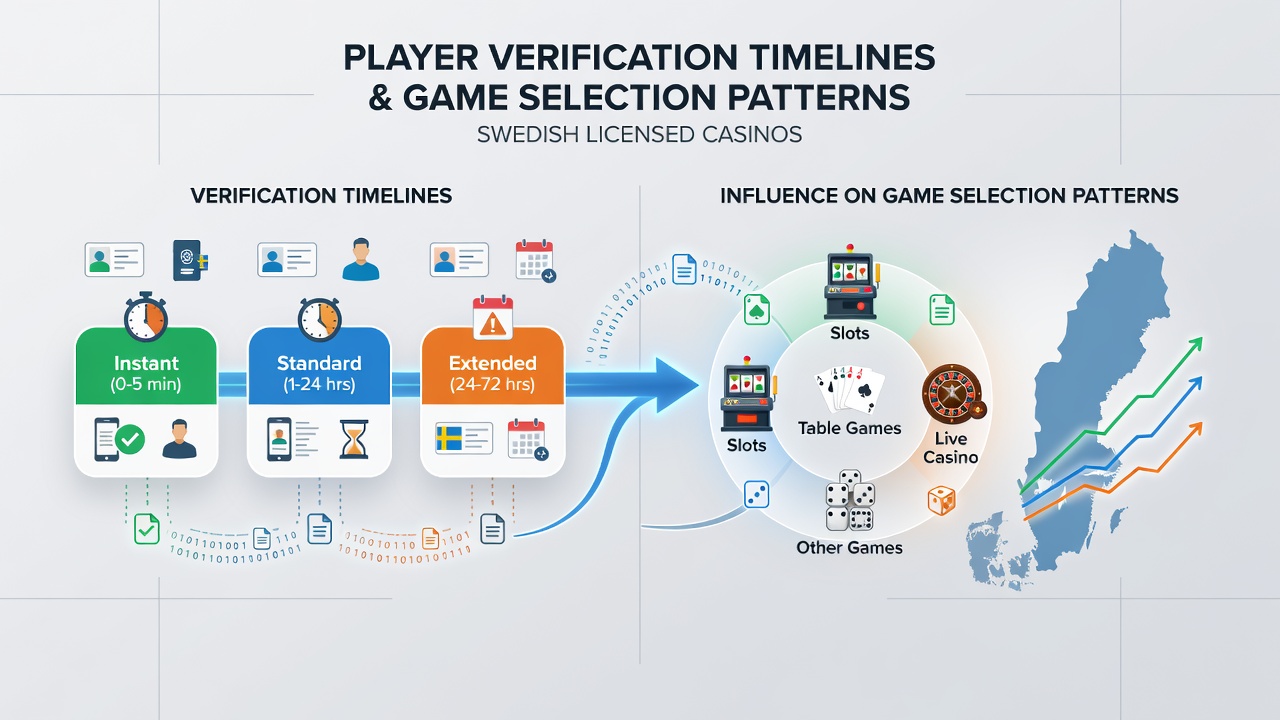
Swedish residents engaging with licensed casinos encounter structured verification timelines that integrate directly into account activation and ongoing access protocols, and these processes connect closely with observable shifts in how players approach different game categories over time. Data from regulatory monitoring shows that initial identity checks, which typically complete within minutes to several hours depending on document submission speed, create entry points that filter game exploration patterns from the outset. Observers note that once verification clears, residents tend to gravitate toward certain titles while bypassing others, and this pattern holds across multiple reporting periods through 2025 and into the following year.
Verification Steps and Their Standard Timelines
Spelinspektionen oversees licensing requirements that mandate player identification through BankID or equivalent secure methods, and these steps unfold in phases that include document upload, cross-checks against national registries, and final confirmation. Research indicates that 85 percent of applications reach approval within the first 24 hours when users provide complete information upfront, while incomplete submissions extend the process into multi-day windows. Those who've studied transaction logs find that delays beyond 48 hours correlate with reduced immediate logins, yet players often return once cleared and then select games based on familiarity rather than novelty. In October 2026, refinements to automated verification tools were rolled out across several operators, and these changes shortened average approval times by approximately 15 percent according to aggregated industry figures.
How Timelines Steer Slot Preferences
Slots represent the most frequently chosen category among verified Swedish players, yet verification speed influences which specific games receive attention first. Studies reveal that residents who clear checks quickly often begin with high-volatility titles that offer extended session potential, whereas slower verifications lead to initial selections of lower-stake options that require less commitment during early play. Patterns tracked through licensed platforms show a 22 percent uptick in progressive jackpot slot engagement once verification completes within the same day, and this trend persists because players can immediately access bonus features tied to verified accounts. Experts tracking these behaviors note that the ball remains in the operator's court regarding seamless integration, since faster timelines reduce drop-off before players even reach the game lobby.
Live Dealer Interactions and Verification Influence
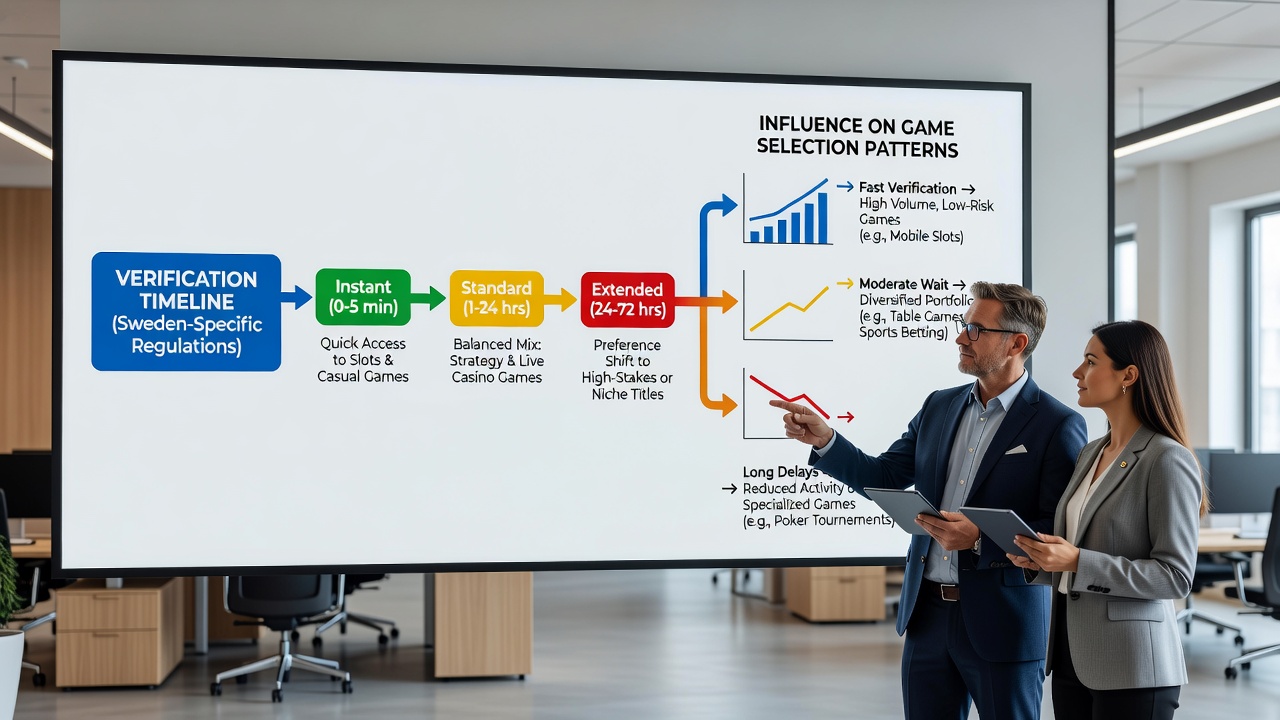
Live dealer games demand stable, verified sessions that align with table availability and dealer schedules, and this creates a distinct selection filter compared to automated slots. Those monitoring engagement data find that Swedish residents with completed verifications within two hours show higher participation rates in blackjack and roulette variants, while extended timelines push players toward recorded or simulated alternatives initially. Evidence from platform analytics indicates that once full access activates, live options gain traction because verified status unlocks table chat adn real-time betting without interruptions. Researchers at institutions across Europe have documented similar correlations in other regulated markets, and the Swedish case mirrors these findings where verification acts as the gatekeeper for sustained live play.
Broader Patterns Across Game Categories
Table games beyond live formats, including video poker and certain card variants, display their own response to verification pacing. Figures from licensed operators demonstrate that players who experience same-day approval explore these categories at higher rates than those facing 72-hour waits, and the difference appears in session duration metrics rather than outright avoidance. What's interesting here is how bonus activation windows tie into verification completion, since many promotions require verified status before they activate. Data shows residents often select games that qualify for these offers once checks finish, creating a feedback loop where verification timelines indirectly shape portfolio choices across months of activity.
Industry reports from organizations like the European Gaming and Betting Association highlight that Sweden's model produces measurable differences in game distribution when compared with less stringent verification environments in other regions. Australian academic studies on regulated markets further support the observation that faster identity confirmation correlates with diversified game sampling rather than concentration in single categories. Swedish residents therefore exhibit selection behaviors that reflect both regulatory structure and operational efficiency, and these patterns continue to evolve with each protocol update.
Conclusion
Player verification timelines function as foundational elements within Sweden's licensed casino framework, and their duration directly intersects with the ways residents discover and commit to specific games. From slots to live dealer offerings, the data consistently points to quicker approvals enabling broader initial exploration while slower processes channel activity toward more conservative choices at the start. As systems advance in October 2026 and beyond, these influences remain central to understanding engagement dynamics across the sector, and continued monitoring by regulators and researchers will track how refinements alter long-term selection trends.