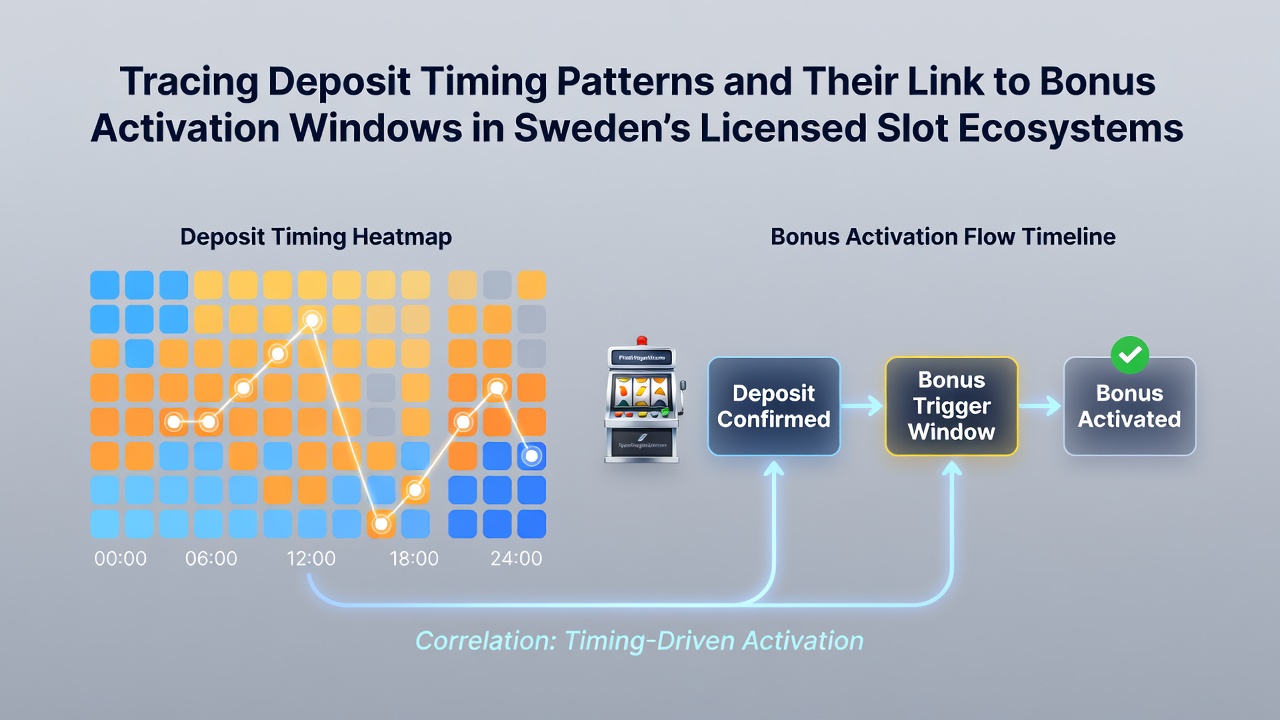
Tracing Deposit Timing Patterns and Their Link to Bonus Activation Windows in Sweden's Licensed Slot Ecosystems
Sweden's Regulated Slot Market and Transaction Oversight
Sweden maintains a strict licensing system through Spelinspektionen where all online slot operators must comply with detailed rules on player accounts, deposits, and promotional offers, and these requirements shape how timing patterns emerge in daily activity. Operators track every deposit to ensure compliance with responsible gambling measures while bonus structures remain tied to verifiable transaction sequences that activate only when specific windows open. Data collected from licensed platforms indicates that deposit volumes rise sharply during defined intervals that coincide with bonus reset cycles, creating measurable patterns across thousands of player accounts each month.
Regulatory updates implemented ahead of September 2026 introduced enhanced reporting standards for transaction timestamps, which gave researchers clearer visibility into how deposit timing interacts with bonus eligibility periods. Licensed entities must log the exact minute a deposit processes and match it against the active bonus window published in their terms, and this linkage produces consistent clusters of activity at predictable hours. Observers note that morning deposits between 8 and 10 a.m. CET often trigger instant bonus credits on several major platforms because those hours align with daily bonus pool refreshes mandated by internal compliance calendars.
Deposit Timing Patterns Across Licensed Platforms
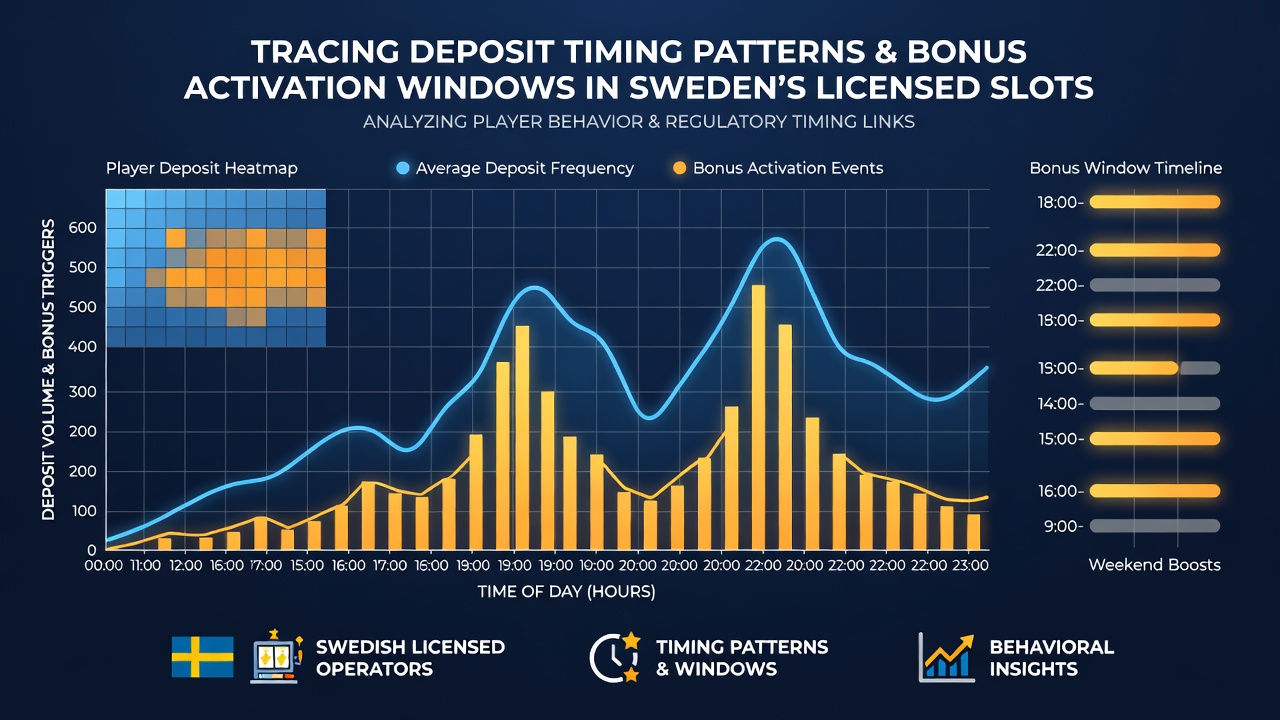
Analysis of aggregated transaction records reveals recurring peaks at midday and early evening hours when many players complete deposits to capture time-limited bonuses that reset on fixed schedules. These patterns hold steady across multiple quarters because the underlying bonus activation logic depends on synchronized server clocks and regulatory reporting intervals rather than random player behavior. Figures from licensed operators show that deposits made within the first fifteen minutes after a bonus window opens receive priority processing, which concentrates activity into narrow bands that repeat daily and weekly.
Platform logs further demonstrate that weekend deposit timing diverges from weekday trends, with elevated volumes occurring later in the afternoon as bonus activation windows extend to accommodate higher traffic periods. Researchers who examined these sequences found that players who deposit during the initial phase of a new window experience faster bonus credit allocation compared with those who deposit near the window's close, and this difference stems directly from the sequential order in which systems validate and apply offers. The structured nature of these windows therefore generates observable rhythms in deposit behavior that remain consistent even as overall market participation fluctuates.
Regulatory Requirements Shaping Bonus Mechanics
Spelinspektionen requires that every bonus offer specify its activation window in advance and that deposits must occur within that window to qualify, which creates a direct technical connection between timing data and promotional fulfillment. Licensed operators implement automated checks that compare deposit timestamps against these windows before releasing any bonus funds, and the process leaves detailed audit trails that regulators review during compliance inspections. Because the rules apply uniformly, patterns in deposit timing reflect both player awareness of the windows and the platforms' technical enforcement mechanisms working in tandem.
Additional guidance issued in preparation for September 2026 emphasized real-time verification of deposit sequences to prevent circumvention attempts, and this focus reinforced the importance of precise timing records. Operators responded by publishing clearer window schedules and integrating timestamp displays directly into player interfaces so that users see exactly when a deposit will register against an active bonus period. The resulting transparency has made timing patterns more pronounced because players now align their actions with publicly available data rather than relying on trial and error.
Observed Correlations and Platform Variations
Comparative reviews of transaction datasets across several licensed Swedish operators show that platforms with shorter bonus windows experience tighter clustering of deposits around the window start times, whereas those with longer windows distribute activity more evenly yet still display measurable spikes at the beginning and end. These variations arise because each operator calibrates its bonus parameters within the same regulatory boundaries while optimizing for different player segments and traffic forecasts. Cross-platform analysis confirms that the correlation between deposit timing and bonus activation remains statistically significant regardless of individual platform differences.
Industry reports compiled by independent research bodies, including studies referenced through Spelinspektionen publications, document how these timing patterns influence overall slot engagement metrics without altering the underlying randomness of game outcomes. Data indicates that deposits occurring outside published windows simply do not trigger bonuses, which channels activity into the designated periods and produces the repeatable patterns observed in the records. Such structured constraints therefore function as the primary driver behind the timing behaviors recorded in Sweden's licensed slot ecosystems.
Conclusion
The linkage between deposit timing and bonus activation windows in Sweden's licensed slot market rests on transparent regulatory rules, standardized logging requirements, and platform-level automation that together generate consistent and measurable patterns. As reporting standards continue to evolve with the changes introduced around September 2026, these patterns remain available for ongoing examination through official compliance data. The factual record shows that timing sequences, window definitions, and verification processes operate as interconnected components within a tightly controlled environment where every deposit either meets or misses the criteria for bonus activation based solely on its recorded timestamp.